
The Solopreneur's Guide to Google Gemini: Smarter Research and Faster Decisions in 2026
What Every Solopreneur Needs to Know About Google Gemini
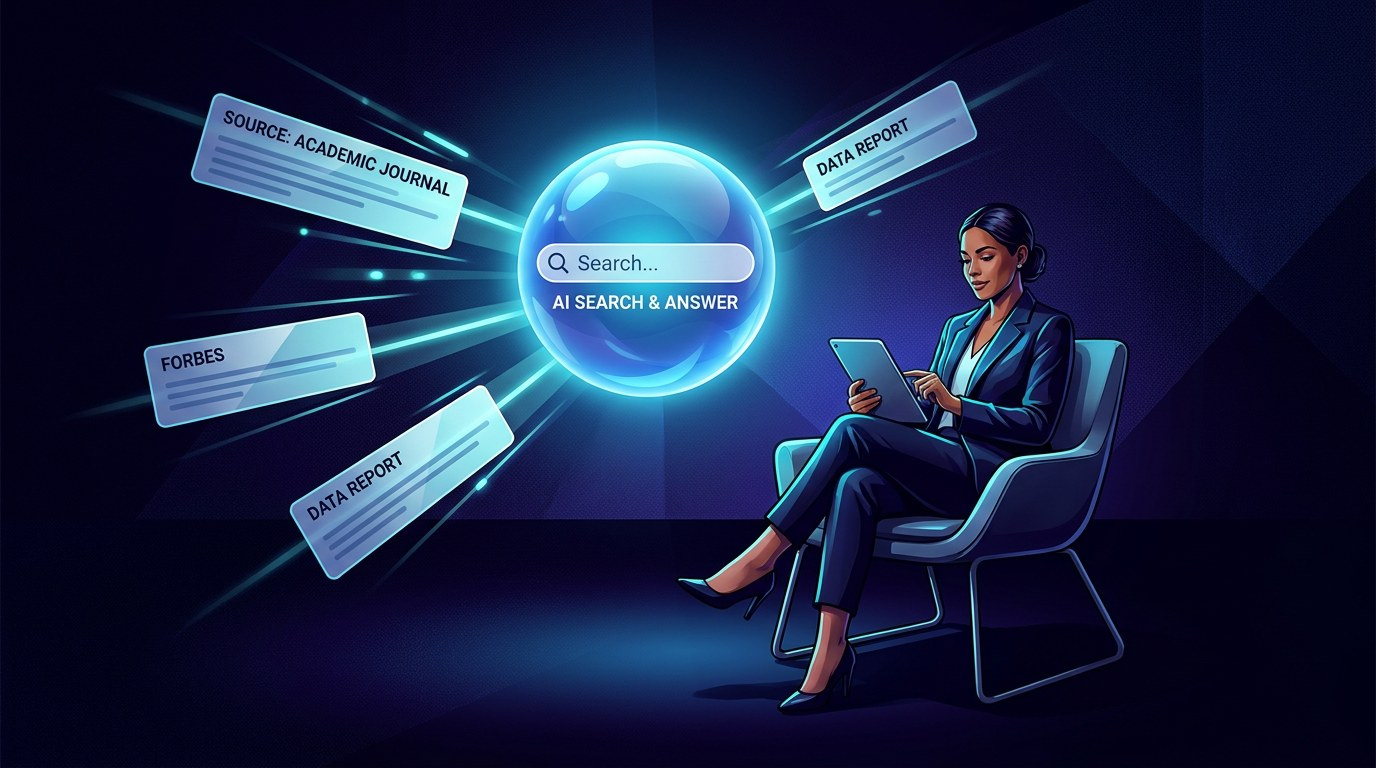
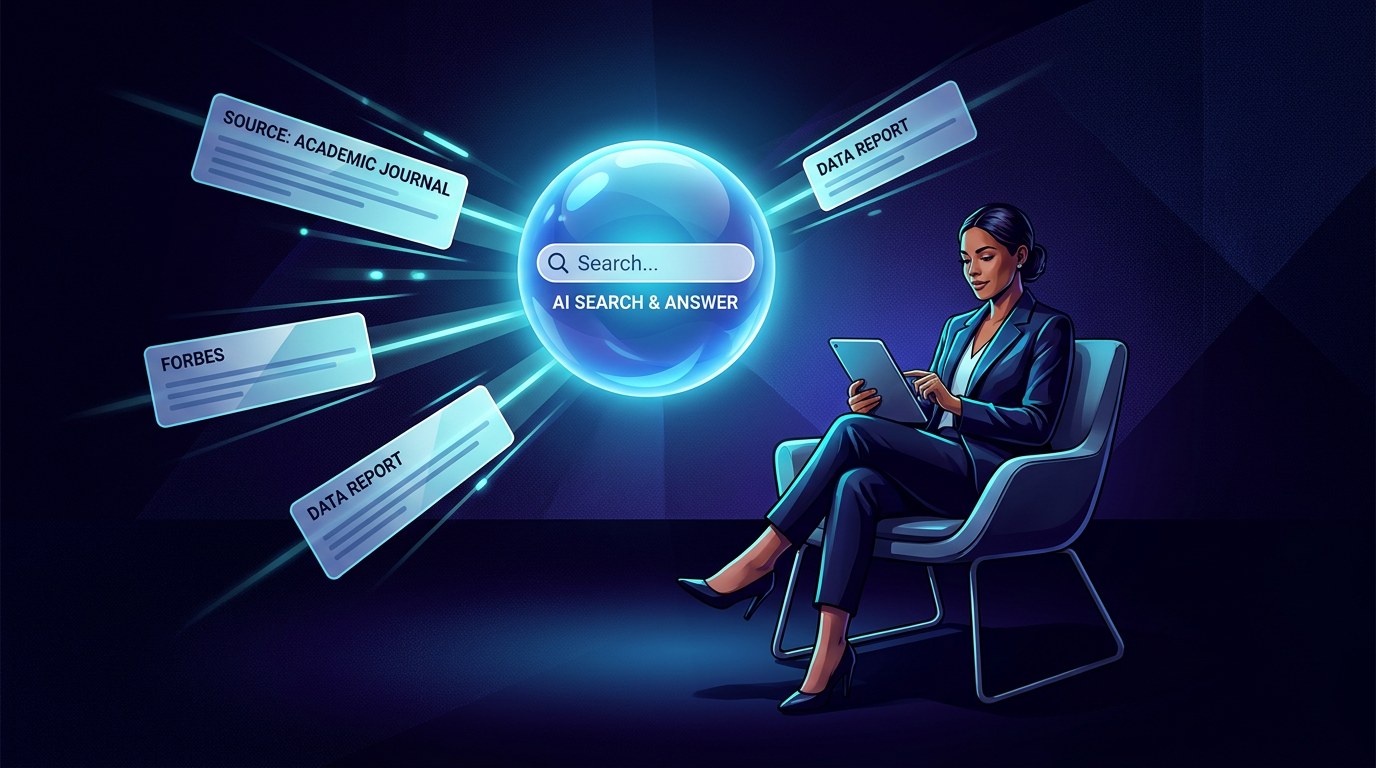
If you run your business alone, your scarcest resource isn't money or tools — it's the hours you spend hunting for answers across a dozen open tabs. Google Gemini is built to give those hours back, acting less like a search box and more like a research assistant that reads the web for you and hands back a sourced answer.
Here's what this guide covers:
- Gemini's core capabilities for solo work
- Fast Answers vs. Deep Research modes
- The free vs. paid tier decision
- Connecting your own files and data
- A practical workflow for daily decisions
- Where Gemini fits next to your other tools
And here are the core things you'll want to weigh before leaning on it:
- How much you can trust a given answer
- When speed matters more than depth
- What's worth paying for and what isn't
- How to keep your business data private
- Where AI research still needs a human check
- How it slots into the tools you already use
By the end, you'll know exactly when to reach for Gemini, which mode to pick, and how to turn a vague question into a decision you can act on the same day.
AI Productivity Daily, a resource for solopreneurs and small business owners using AI to save time and grow, has tracked Gemini through its 2026 releases. In this guide, I'll show you how to use it as a real research partner — not just a fancier search bar.
The Core Capabilities of Google Gemini
Gemini stopped being "a chatbot" a while ago. The thing that matters for solopreneurs in 2026 is that it now grounds its answers in live web sources and can run long, multi-step research on its own. In April 2026, Google launched its Deep Research and Deep Research Max agents built on Gemini 3.1 Pro — the model it released in February 2026 — adding the ability to pull from both the open web and your own private data, then return professional charts and a structured write-up (Google, VentureBeat). For a one-person business, that's the difference between an afternoon of reading and a ten-minute review.
Grounded, Cited Answers
The single most useful thing Gemini does for a solopreneur is show its work. Instead of a confident paragraph you have to take on faith, you get an answer attached to the sources behind it — so you can click through and verify before you act.
- Inline citations — claims link back to the page they came from, so you can check the original.
- Live web access — it reads current pages, not a frozen snapshot, which matters for pricing, competitors, and regulations.
- Follow-up questions — you can drill into one source or ask it to compare two without starting over.
- Plain-language summaries — dense reports come back as something you can actually skim.
The practical payoff: you stop copy-pasting from ten tabs and start reviewing one sourced answer you can trust.
Deep Research as an Autonomous Agent
Deep Research is where Gemini earns its keep for bigger questions. You give it a goal — "map the competitive landscape for mobile dog grooming in my city" — and it plans the research, runs the searches, and synthesizes the findings while you do something else.
A notable shift in 2026 is that these agents now connect securely to private data through the Model Context Protocol, so they can fold your own documents into the analysis instead of working from the public web alone. Deep Research Max pushes this further, trading speed for the most thorough synthesis when you need a real report rather than a quick scan.
For a solopreneur, the real-world benefit is leverage: you get the kind of research output that used to require hiring a freelancer, on the schedule of a single afternoon.
How to Choose the Right Gemini Mode for Your Business
Most of the value comes down to matching the mode to the job. Use this as a quick reference:
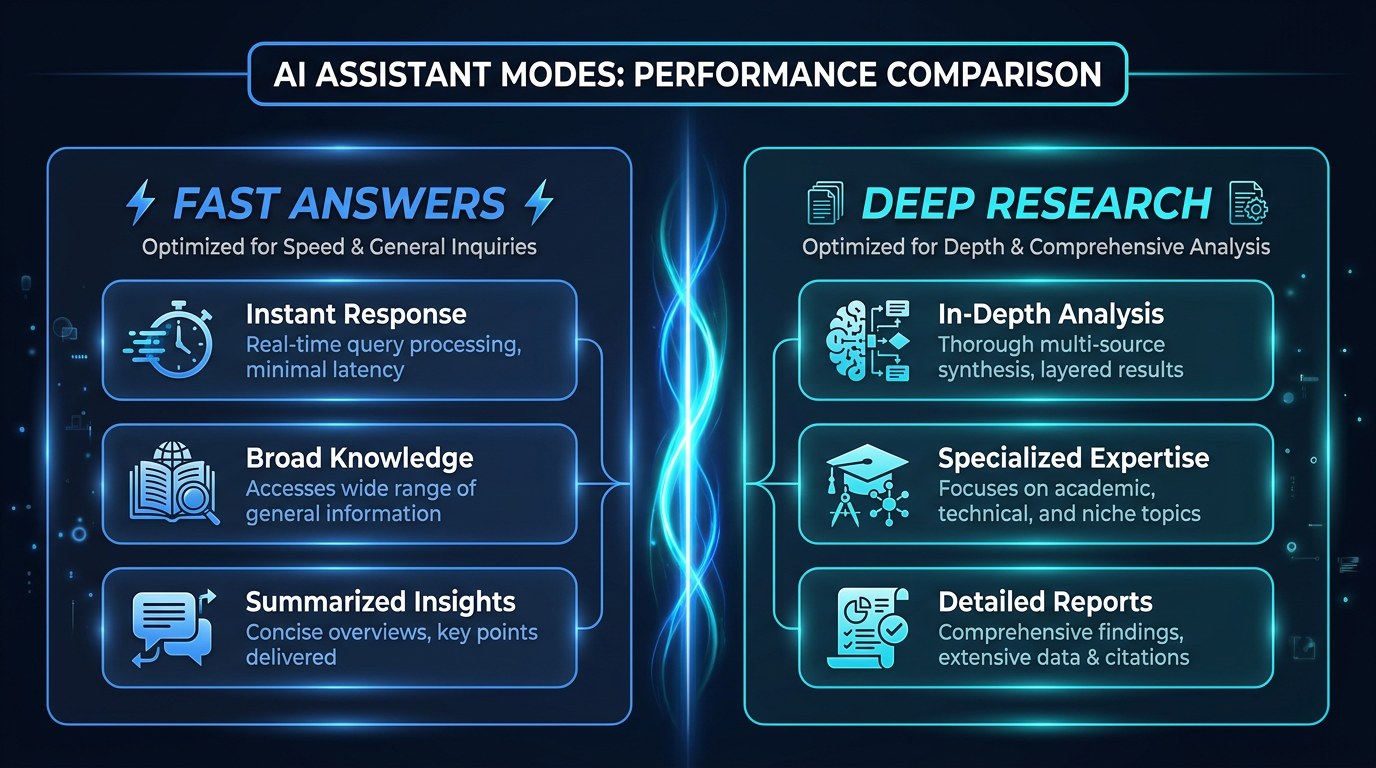
| Mode | Key Quality | Strengths | Best For | |---|---|---|---| | Fast Answers | Speed | Instant, conversational, good enough for most questions | Quick facts, drafting, brainstorming | | Deep Research | Depth | Multi-source, planned, returns a structured report | Market scans, competitor analysis, due diligence | | Deep Research Max | Comprehensiveness | Maximum thoroughness, charts, private-data synthesis | Big decisions, formal reports, investor or client prep | | Grounded Chat | Verifiability | Live web with inline citations | Anything you'll act on or publish |
If I had to pick one default for a busy solo operator, it's grounded chat for daily questions and Deep Research reserved for decisions worth more than an hour of your time. The reason is simple: speed wins most days, but when a choice will shape your next quarter, the extra fifteen minutes of depth pays for itself many times over.
"Will the Answer Actually Be Right?" — Practical Tips
The honest answer is: usually, but verify the parts that matter. Here's how to keep Gemini reliable:
- Always open at least one cited source before acting on a factual claim — budget 2 minutes for it.
- For anything legal, financial, or medical, treat Gemini as a starting point and confirm with a professional.
- Ask it to "list your sources and flag anything uncertain" — it will often tell you where it's shaky.
- Re-run high-stakes questions a second time with different wording to catch inconsistencies.
For more ways to fold AI checks into your routine, the free tools and templates at aiproductivitydaily.com/free-tools are a good place to start.
Fast Answers vs. Deep Research — Understanding the Difference
The distinction is effort, not quality. Fast Answers gives you a single grounded response in seconds; Deep Research spends minutes planning and running a whole investigation, then hands back a report.
What guides the choice is the cost of being wrong. If a wrong answer means a minor redo, use Fast Answers. If it means a wasted week or a bad spend, switch to Deep Research and let it do the heavy lifting.
Google Gemini for Every Stage of Your Business
Gemini meets you wherever you are, but the way you use it shifts as you grow:
- Just starting: validating an idea, sizing a market, and writing your first offers — fast, cheap answers to "is this worth doing?"
- Finding traction: competitor research, pricing checks, and content planning — recurring questions where grounded citations keep you honest.
- Scaling solo: turning research into repeatable reports and briefs you can reuse, so you stop re-answering the same questions every month.
Beginner vs. Advanced Options
Not everyone needs the top tier. Here's how the levels break down:
- Free: generous everyday access to grounded chat and fast answers. Right for most solopreneurs starting out, and enough to replace a lot of manual searching.
- Gemini Pro (paid): higher limits, the stronger models, and fuller access to Deep Research. The meaningful upgrade once research is part of your weekly routine.
- Ultra / Max-tier: maximum Deep Research depth and the heaviest workloads. Justified only when AI research is core to how you make money — agencies, consultants, and research-heavy operators.
Customization and Workflow Integration
The 2026 story is connection: Gemini's agents can now reach into your own files and tools rather than living in a silo. Tailor it to your business by:
- Pointing Deep Research at your own documents so analysis reflects your numbers, not generic web data.
- Saving repeatable prompts for the research you run every month, so a quarterly competitor scan becomes one click.
- Asking for outputs in the format you actually use — a table, a one-pager, or bullet points ready to paste into a client email.
Why This Matters for Solopreneurs Running Lean in 2026
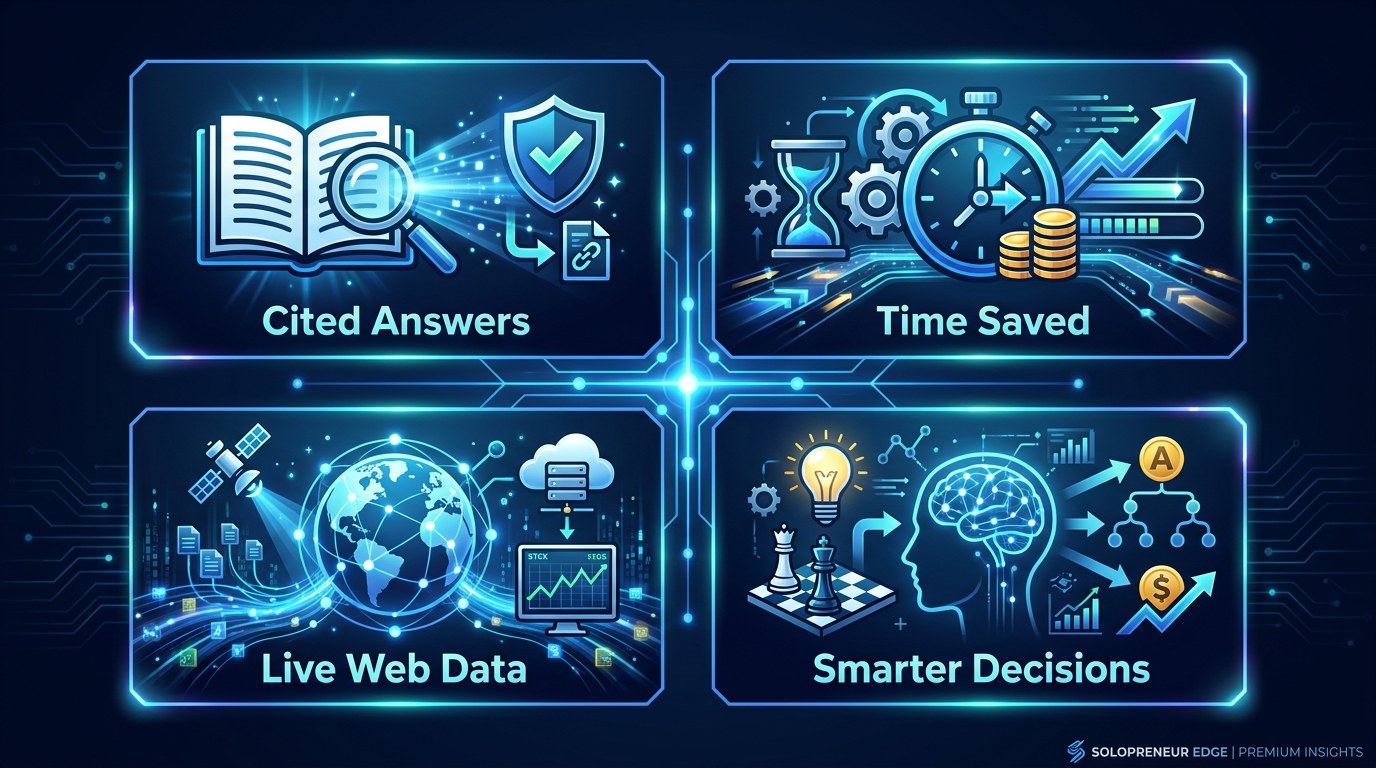
If you've held off on AI research tools because they felt gimmicky or untrustworthy, that hesitation made sense a year ago. What's changed in 2026 is that grounded citations and autonomous agents turn Gemini from a novelty into a dependable framework for getting answers you can defend.
Here's what that unlocks when you're running lean:
- Hours of manual searching collapsed into a single sourced answer.
- Research-grade output without hiring a freelancer or analyst.
- Decisions backed by current data instead of last year's assumptions.
- A repeatable process you can trust, so research stops being a bottleneck.
Getting the Most Out of Gemini
A few habits separate people who get real leverage from those who just chat with it:
- Start every research session by telling Gemini your role and goal — "I'm a solo bookkeeper deciding whether to raise rates" — so it tailors the depth and tone.
- Ask for the answer and the counterargument; the second opinion is often where the real insight is.
- Keep a running note of prompts that worked, and reuse them — your best research is repeatable.
- End big sessions by asking, "What would change your conclusion?" to surface the assumptions you should watch.
If you came to Gemini after trying other research tools, it's worth comparing notes with our deep dive on Perplexity AI — many solopreneurs end up using both for different jobs.
Frequently Asked Questions About Google Gemini
How do I get started with Gemini for business research?
Open the Gemini app or web version, sign in with a Google account, and ask a real business question in plain language — then click the citations to verify. Start free; you'll know within a week whether your research load justifies the paid tier.
What's the process for running a Deep Research report?
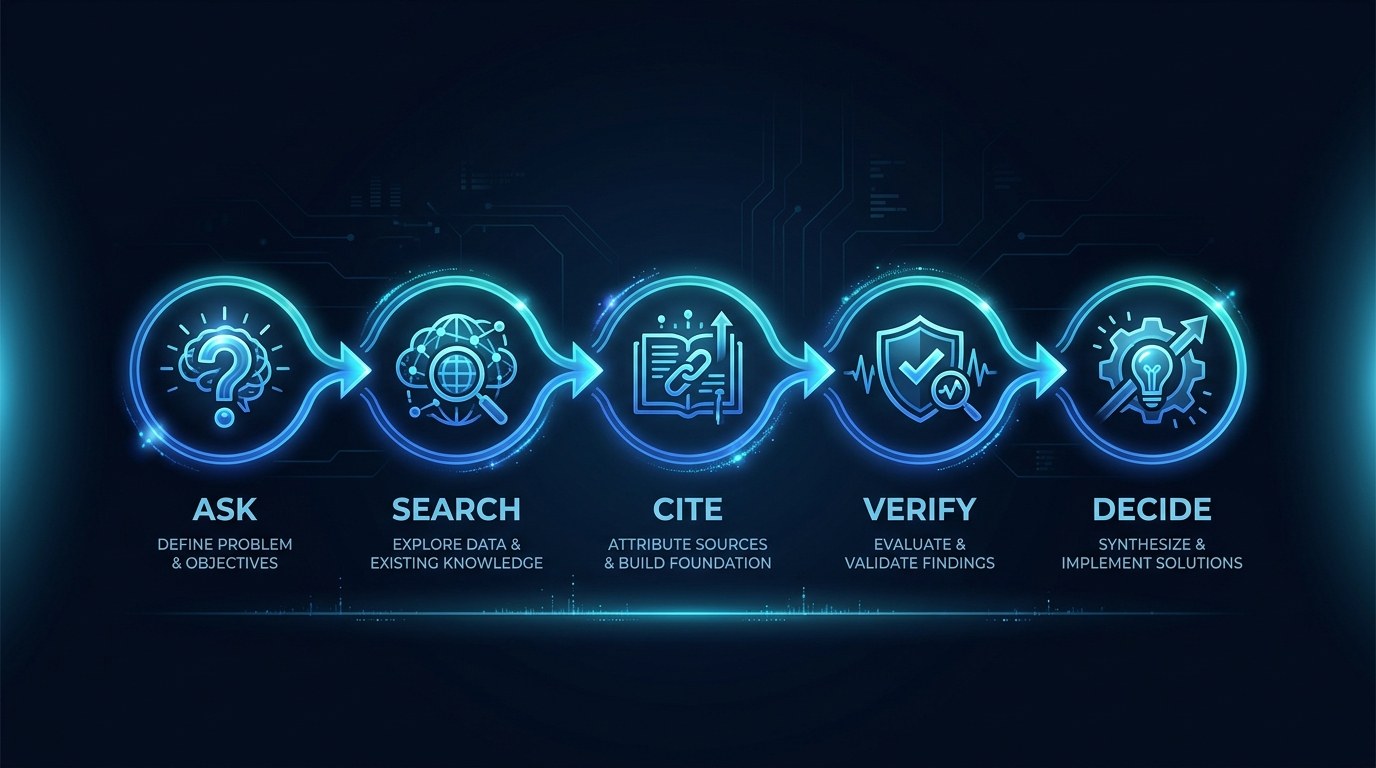
It's a guided flow rather than a single prompt:
- State your goal clearly, including your business context and what decision it feeds.
- Review the research plan Gemini proposes and refine it before it runs.
- Let it work — Deep Research can take several minutes for a thorough scan.
- Skim the report, open key sources, and ask follow-ups to fill any gaps.
Can I trust Gemini with my private business data?
For grounded chat, avoid pasting sensitive client details you wouldn't want stored. For Deep Research's private-data connections, Google uses the Model Context Protocol with secure access — but as a solo owner, review the permissions before connecting anything, and start with low-stakes documents until you're comfortable.
Conclusion
Research used to be the tax you paid for working alone — the late nights spent reading so you could make one good call. Gemini changes the math. Used well, it turns a vague question into a sourced, defensible answer in the time it takes to refill your coffee, which means more of your day goes to the work only you can do.
Want a simple way to stay ahead without adding another tab to your morning? Start with the free AI Morning Brief at aiproductivitydaily.com/free-tools — a daily digest of what's moving in AI, filtered for solopreneurs.
One AI workflow, every weekday.
Tutorials, tool reviews, and automation playbooks for solopreneurs running on AI. Short, useful, and free. Unsubscribe anytime.
No pitch. No upsell. One quick AI workflow per weekday.